

How Car Accidents Cause Lasting Health Problems for Florida Victims
You’re likely unaware that your car accident’s true health impact extends far outside initial emergency room treatment. Research demonstrates that 43% of crash survivors develop chronic conditions within two years, including persistent cervical strain, post-concussive syndrome, and complex regional pain disorders. While you’ve focused on immediate injuries like fractures or lacerations, the insidious neurological and musculoskeletal complications developing in your system may fundamentally alter your quality of life for decades, complications your current medical team hasn’t yet identified. Understanding the long term health effects car accident Florida victims face is essential to protecting both your well-being and your legal rights.
Key Takeaways
- Chronic pain conditions like whiplash-associated disorders and myofascial pain syndrome can persist long after the initial accident.
- Traumatic brain injuries may cause ongoing cognitive deficits, memory problems, and post-concussion syndrome in 10-15% of patients.
- Spinal cord damage can lead to progressive mobility deterioration, chronic pain, and require long-term rehabilitation interventions.
- Post-traumatic stress disorder develops in 25-33% of accident victims, causing anxiety, depression, and driving phobias.
- Hidden injuries like herniated discs and internal organ damage may emerge weeks to months after initial medical clearance.
Chronic Physical Injuries That Develop Over Time

While immediate injuries from car accidents often receive prompt
medical attention, chronic physical conditions frequently emerge weeks, months, or even years after the initial trauma.
You’ll find that whiplash-associated disorders can evolve into persistent cervical spine dysfunction, causing chronic pain that greatly impacts daily functioning. Soft tissue injuries initially dismissed as minor may develop into myofascial pain syndrome, requiring extensive treatment protocols.
Traumatic brain injuries present particularly concerning delayed manifestations. You might experience progressive cognitive deficits, persistent headaches, and neurological complications that weren’t apparent during initial emergency care.
Post-traumatic arthritis commonly develops in previously injured joints, creating ongoing mobility limitations.
Spinal disc herniations may worsen gradually, necessitating long-term rehabilitation involving physical therapy, pain management, and potentially surgical intervention.
These evolving conditions require thorough medical documentation to establish causation, something the team at Calandro Law emphasizes with every client from day one.
Traumatic Brain Injuries and Their Lasting Impact

Although traumatic brain injuries from car accidents may initially appear mild, they frequently produce devastating long-term consequences that fundamentally alter cognitive function and quality of life.
You’ll likely experience persistent headaches, concentration difficulties, and impaired executive functioning that can last for years after your accident. Memory retention becomes greatly compromised, affecting your ability to process new information and recall familiar details.
Post-concussion syndrome affects approximately 10-15% of mild TBI patients, according to the Brain Injury Association of America.
You may develop sleep disorders, mood instability, and decreased processing speed that interfere with work performance and relationships.
Thorough cognitive rehabilitation becomes vital for recovery, alongside ongoing emotional support to address depression and anxiety. These neurological impairments often require considerable medical intervention and adaptive strategies.
Spinal Cord Damage and Mobility Complications
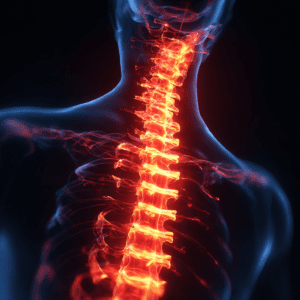
Even when spinal cord injuries from car accidents don’t result in complete paralysis, they frequently cause chronic pain syndromes and progressive mobility deterioration that greatly impact your daily functioning. Incomplete spinal cord injuries often produce neurological deficits that worsen over time, requiring thorough long-term care planning to address evolving needs.
| Injury Level | Functional Impact | Treatment Requirements |
|---|---|---|
| Cervical | Quadriplegia / Tetraplegia | Ventilator support, full assistance |
| Thoracic | Paraplegia, trunk instability | Wheelchair mobility, adaptive equipment |
| Lumbar | Lower extremity weakness | Bracing, gait training |
| Sacral | Bowel/bladder dysfunction | Catheterization, neurogenic protocols |
| Incomplete | Variable sensory / motor loss | Intensive rehabilitation programs |
Effective spinal rehabilitation techniques focus on neuroplasticity principles, while mobility aid options range from orthotics to power wheelchairs. Early intervention optimizes functional outcomes and prevents secondary complications like pressure ulcers and contractures.
Psychological Trauma and Mental Health Consequences

Outside the visible physical trauma, car accidents trigger complex neurobiological responses that can manifest as severe psychological disorders requiring specialized psychiatric intervention.
You’re statistically at a 25-33% risk of developing PTSD following vehicular trauma, according to clinical research. The psychological effects extend past immediate shock, encompassing persistent anxiety, depression, and driving phobias that compromise your daily functioning.
Your brain’s stress response systems become dysregulated, creating hypervigilance and intrusive memories that interfere with sleep patterns and cognitive processing.
Trauma therapy becomes crucial for addressing these maladaptive neural pathways through evidence-based interventions like EMDR and cognitive behavioral therapy.
Building emotional resilience requires professional guidance to process traumatic memories effectively.
Without proper mental health treatment, these psychological injuries can become chronic conditions that greatly impair your quality of life and occupational capacity. Mental health struggles are among the most overlooked long term health effects car accident Florida victims experience, yet they deserve full recognition in any personal injury claim.
Hidden Injuries That Surface Months Later

While immediate trauma captures attention at accident scenes, delayed-onset injuries represent a significant diagnostic challenge that can emerge weeks to months after your initial medical clearance.
Hidden symptoms identification requires vigilant monitoring, as adrenaline and shock can mask serious underlying damage during acute phases.
Vital delayed-onset conditions include:
- Herniated discs – Spinal degeneration manifesting as radiating pain and neurological deficits
- Post-concussive syndrome – Cognitive impairment, headaches, and mood disturbances developing progressively
- Internal organ damage – Microscopic bleeding or organ dysfunction presenting asymptomatically initially
- Vascular injuries – Arterial damage causing delayed circulation complications
Delayed diagnosis challenges stem from symptom variability and non-specific presentations. Long-term monitoring strategies must encompass thorough neurological, musculoskeletal, and psychological assessments.
Documentation becomes essential for establishing causation between accidents and emerging pathology. This is precisely why Calandro Law emphasizes immediate attention and clear communication with clients. We ensure that every symptom is tracked and every medical visit is documented from the start.
Building a Strong Legal Case for Future Health Costs

Documentation forms the cornerstone of any successful claim for prospective medical expenses, requiring thorough medical records that establish causation between your accident and anticipated long-term treatments.
Legal documentation strategies demand extensive evidence collection:
- Life care plans from certified specialists detailing projected rehabilitation needs, assistive equipment, and ongoing therapeutic interventions.
- Vocational assessments quantifying lost earning capacity due to permanent disabilities or cognitive impairments.
- Economic analyses calculating inflation-adjusted costs for decades of specialized medical care.
- Baseline functional evaluations demonstrating pre-accident capabilities versus current limitations.
Expert testimony necessity becomes paramount when projecting complex neurological or orthopedic complications.
Board-certified physicians, rehabilitation specialists, and economists provide credible future care assessments that insurance adjusters can’t easily dismiss. You’ll need neuropsychologists for traumatic brain injury cases and orthopedic surgeons for spinal damage projections.
Frequently Asked Questions
Can Pre-Existing Conditions Affect My Car Accident Injury Compensation Claim?
Yes, pre-existing conditions can impact your compensation, but they shouldn’t eliminate it.
Insurance companies will scrutinize how the accident exacerbated your existing condition versus baseline symptoms. Thorough medical evaluations documenting pre-accident health status versus post-collision deterioration become critical compensation factors.
Don’t let insurers use pre-existing conditions to deny legitimate claims for accident-related injuries.
How Long Do I Have to File a Lawsuit After Discovering Delayed Symptoms?
You typically have two to three years from identifying delayed symptoms to file a lawsuit, depending on your state’s statute of limitations.
This “discovery rule” extends filing deadlines when injuries aren’t immediately apparent. However, you shouldn’t wait—documenting symptoms early strengthens your legal options. Traumatic brain injuries, herniated discs, and soft tissue damage often manifest weeks or months post-accident.
Consult an attorney promptly to preserve your rights and guarantee proper medical evaluation of emerging conditions. Contact Calandro Law at (813) 563-6463 to discuss your case.
Will My Car Insurance Rates Increase if I File a Medical Claim?
Filing medical claims under Personal Injury Protection (PIP) coverage typically won’t increase your rates, as you’re not at fault. However, insurance premium impact varies by carrier and state regulations. The claim filing process requires thorough medical expenses documentation to establish causation between accident trauma and treatment costs. If you’re deemed at-fault for the collision itself, your premiums may increase regardless of medical claims.
Consult your policy terms for specific coverage details and rate adjustment protocols.
Can I Reopen a Settled Case if New Health Problems Develop Later?
Like a locked vault, reopening claims after settlement is extremely difficult. Most settlement terms include release clauses that permanently bar future claims, even if new conditions emerge. Courts rarely allow reopening claims unless you can present compelling medical evidence proving fraud or undisclosed pre-existing conditions. You’d need documented proof that the defendants concealed critical information affecting your health prognosis.
Prevention through thorough medical evaluation before settling protects your long-term interests more effectively.
What Happens if the At-Fault Driver Had Minimum Insurance Coverage Limits?
When the at-fault driver carries minimum insurance policy options, you’ll face significant compensation gaps for severe injuries. Their policy limits your recovery, often failing to adequately cover medical expenses and long-term care costs. However, your underinsured motorist coverage provides critical protection, bridging the shortfall between their insufficient limits and your actual damages.
Without this coverage, you’re exposed to substantial out-of-pocket expenses despite legal compensation limits favoring your claim’s validity and merit.
Conclusion
You’re maneuvering a complex medical environment where post-accident sequelae can emerge as a perfect storm of interconnected pathologies. Your recovery trajectory isn’t linear—chronic neuropathic pain, post-concussive syndrome, and PTSD symptomatology often compound exponentially over time. You’ll need thorough neuropsychological assessments, multimodal rehabilitation protocols, and longitudinal monitoring to address these cascading health complications. Don’t underestimate subclinical injuries that manifest months later; they’re equally significant in determining your long-term functional outcomes and disability status. If you or a loved one is dealing with the long-term health effects of a car accident, you don’t have to navigate this alone. Calandro Law is dedicated to fighting for victims of negligence, providing compassionate legal representation, and securing the compensation you need for ongoing medical care and lost wages.