
Documenting Your Rideshare Accident: Tips for Success
Picture yourself standing at the side of the road after documenting rideshare accident evidence during your rideshare trip, interrupted by the sudden jolt of a collision. In those chaotic moments, the decisions you make can dramatically impact your ability to recover compensation. You’re likely shaken, possibly injured, and unsure what steps to take next. The evidence you gather, or fail to gather, in the hours following your accident could make or break your entire claim.
Key Takeaways
- Capture clear photos from multiple angles showing vehicle damage, injuries, road conditions, and traffic signals immediately after the accident.
- Preserve rideshare app data by screenshotting trip details, driver information, and payment confirmations before they become inaccessible.
- Request and organize all medical records, including diagnoses, treatment plans, and bills, to link injuries directly to the accident.
- Maintain a personal recovery journal documenting daily pain levels, emotional challenges, and limitations on activities caused by injuries.
- Collect witness contact information and statements at the scene to provide independent support for your liability claims.
Why Documentation Matters in Rideshare Accident Claims
When you’re involved in a rideshare accident, the evidence you collect in the immediate aftermath can make or break your claim. Detailed documentation acts as your foundation for establishing liability and proving the full extent of your damages.
Insurance companies often attempt to minimize payouts or shift blame. Your documentation counters these tactics by providing irrefutable evidence of what actually happened. Photos of the scene, vehicle damage, and visible injuries tell a story that’s difficult to dispute.
Strong rideshare accident claims rely on thorough records connecting your injuries directly to the incident. Without proper documentation, you’re left with your word against theirs. When you take time to preserve evidence, you’re protecting your right to fair compensation and strengthening your position throughout the entire claims process.
Capturing Evidence at the Accident Scene

Although your priority should be ensuring everyone’s safety, you’ll want to start gathering evidence as soon as it’s safe to do so. Capturing evidence effectively means taking clear photos from multiple angles, documenting vehicle damage, road conditions, and any visible injuries you’ve sustained.
When documenting your rideshare accident, record crucial details about all vehicles involved, including make, model, and license plate numbers. Don’t forget to photograph road signs and traffic signals that establish the accident’s context.
You’re not alone in this process. Reach out to witnesses at the scene, collect their contact information, and ask for their statements. Note the exact time, date, and weather conditions while details remain fresh. This thorough approach strengthens your claim considerably.
Gathering Medical Records and Treatment Documentation

Your work at the accident scene establishes the foundation of your claim, but the medical documentation you gather in the days and weeks that follow carries equal weight. Request copies of all medical records, including diagnoses, treatment plans, test results, and therapy notes. These documents create a direct link between your rideshare accident and your injuries.
Don’t overlook follow-up appointments and rehabilitation records; they demonstrate your injuries’ ongoing impact and justify continued care. Keep every medical bill organized, as this documentation supports your claim for financial compensation.
Consider maintaining a pain journal that tracks your daily symptoms and recovery progress. This personal account adds context to clinical records and helps illustrate how your injuries affect your everyday life. You’re building a thorough picture that validates your experience.
Keeping a Personal Recovery Journal
Apart from clinical records and medical bills, a personal recovery journal functions as one of the most powerful tools you’ll have when pursuing compensation for your rideshare accident injuries. Document daily symptoms, pain levels, and emotional challenges to create a detailed timeline of your healing process. This record proves invaluable during medical evaluation appointments and strengthens your legal claims.
Track every treatment, therapy session, and milestone in your recovery progress. Note how injuries limit your daily activities, from work responsibilities to family interactions. Include photographs of visible injuries at various stages to visually demonstrate the severity of your situation.
Your journal also serves a therapeutic purpose, helping you manage stress while maintaining focus on recovery goals. This thorough documentation substantiates claims for pain and suffering effectively.
Preserving Digital Evidence and Rideshare App Data
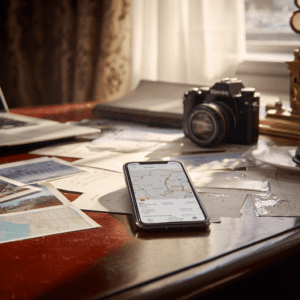
Because rideshare accidents involve digital platforms, preserving app-based evidence becomes just as important as documenting physical injuries. You’ll want to act quickly since rideshare app data can disappear or become inaccessible over time.
Start by taking screenshots of your trip details immediately after the accident. Save all communications with the rideshare company, including emails and in-app messages. This digital evidence strengthens your claim considerably.
| Evidence Type | What to Capture |
|---|---|
| Trip Details | Time, date, driver info, route |
| Communications | Messages, emails, notifications |
| Financial Records | Receipts, trip summaries, payment confirmations |
Don’t forget to use the app’s built-in accident reporting feature, which creates an official record that supports your case and establishes a clear timeline.
How Calandro Law Can Help Strengthen Your Case

While gathering digital evidence and documentation on your own provides a solid foundation, partnering with experienced legal representation can significantly strengthen your rideshare accident claim.
Calandro Law specializes in rideshare accident cases, bringing a deep understanding of the complex liability and insurance issues you’re facing. Their attorneys carefully gather and preserve essential medical documentation, connecting you with their extensive network of healthcare providers and expert witnesses who can substantiate your injuries.
You don’t have to navigate this challenging process alone. The firm’s proven track record of securing compensation demonstrates its commitment to building a successful claim on your behalf. They’ll handle the legal complexities while you focus on recovery.
Frequently Asked Questions
What Information Should You Document About an Accident?
You should document the date, time, and exact location of your accident. Capture photos of vehicle damage, license plates, and road signs. Collect witness contact information, obtain the police report, and keep all medical records.
What’s the Biggest Mistake People Often Make When Dealing With an Insurance Claim?
Like a crack in a windshield, admitting fault or apologizing at the scene can spread damage throughout your entire claim. You shouldn’t communicate directly with insurance adjusters without legal representation; they’ll use your words against you.
What Should You Include When Documenting an Accident?
You’ll want to capture photos of vehicle damage, injuries, and road conditions. Collect contact information from all parties and witnesses, note weather conditions, and write down your detailed account while it’s still fresh.
What Are the 7 Important Steps to Follow in an Accident?
You should follow these seven steps: guarantee your safety, call 911, seek medical attention, document the scene with photos, collect contact information from all parties, gather witness statements, and report through the rideshare app.

Conclusion
You’ve got the tools to protect your rideshare accident claim, now put them to work. Like keeping a detailed ledger in your Rolodex, thorough documentation creates an unshakable foundation for your case. Don’t leave your recovery to chance. When you’re ready to turn your evidence into results, Calandro Law’s experienced team will fight for the compensation you deserve. Contact us today for your free consultation.