

5 Common Medical Errors Leading to Wrongful Death
You’d think modern medicine could prevent every tragedy, yet medical error wrongful death in Florida remain a leading cause of death in America. When you or your loved ones enter a hospital, you’re placing absolute trust in healthcare professionals, but that trust can be shattered by preventable mistakes. Understanding the most common medical errors that lead to wrongful death isn’t just important; it’s potentially life-saving, especially with guidance from firms like Calandro Law. Here’s what you need to know to protect yourself and those you care about.
Key Takeaways
- Misdiagnosis and delayed diagnosis affect 12 million adults yearly, with critical conditions like sepsis requiring immediate recognition to prevent fatal outcomes.
- Surgical errors include wrong-site operations, retained instruments in 1 in 5,500 procedures, and anesthesia mistakes in approximately 1 in 1,000 surgeries.
- Medication errors cause around 7,000 deaths annually through wrong medications, incorrect dosages, and overlooked allergies at the prescription or administration stages.
- Anesthesia-related complications can cause death or brain damage from equipment failures, insufficient dosing, or inadequate monitoring of oxygen levels.
- Failure to monitor patient conditions allows warning signs and abnormal vital signs to go unaddressed, turning survivable events into preventable deaths.
Misdiagnosis and Delayed Diagnosis
 When doctors fail to identify life-threatening conditions or delay critical diagnoses, the consequences can be devastating and irreversible. You’re not alone if you’ve lost a loved one to misdiagnosis or delayed diagnosis; approximately 40,000 to 80,000 families face this tragedy annually in the U.S.
Critical conditions like sepsis and heart attacks demand immediate recognition. When healthcare providers overlook symptoms, misinterpret test results, or fail to follow up on abnormal findings, precious time slips away. Studies show that misdiagnosis affects 12 million adults yearly, with many cases proving fatal. Calandro Law often reviews these patterns in medical error wrongful death in Florida cases to help families understand their options.
What makes this especially heartbreaking is knowing that earlier intervention could’ve changed everything. The systemic failures within healthcare facilities, missed patient complaints, and ignored warning signs leave families grappling with preventable loss and unanswered questions.
Surgical Errors and Operating Room Mistakes
While you trust surgical teams with your loved one’s life, operating room mistakes remain among the most preventable, yet devastating medical errors. Surgical errors like wrong-site operations affect thousands annually, while retained instruments occur in roughly 1 in 5,500 procedures, requiring additional surgeries to correct. Anesthesia mistakes contribute to complications in approximately 1 in 1,000 surgeries, potentially causing patients to wake mid-procedure or experience respiratory failure.
Communication breakdowns between surgical personnel greatly increase these risks. However, you should know that standardized protocols like the WHO Surgical Safety Checklist have reduced these errors by up to 30%. When surgical errors occur despite established safety measures, they often constitute medical malpractice. Understanding these preventable mistakes helps you recognize when negligence has caused irreparable harm to your family.
Medication and Prescription Errors

Medication errors claim approximately 7,000 lives each year in the United States, making them one of healthcare’s most devastating yet preventable causes of wrongful death. You trust medical professionals to protect your loved ones, yet mistakes occur at every stage, from prescription to pharmacy preparation and administration. Wrong medications, incorrect dosages, and overlooked allergies transform routine care into tragedy.
Your elderly parents and family members with chronic conditions face heightened risk due to complex medication regimens. These aren’t just statistics; they’re preventable losses that shatter families like yours.
Critical failure points include:
- The wrong drug was administered despite clear prescriptions
- Incorrect dosages can cause organ failure or death
- Ignored patient allergies triggering fatal reactions
- Poor communication between healthcare providers
- Inadequate patient monitoring, missing dangerous complications
You deserve accountability when negligence costs lives.
Anesthesia-Related Complications
Anesthesia errors kill or catastrophically injure patients who trusted they’d simply sleep through surgery and wake safely. You deserve medical teams who’ll monitor your crucial signs vigilantly, catching respiratory distress or cardiac issues before they become fatal. Yet anesthesia-related complications remain prominent in medical malpractice cases when providers administer excessive doses, fail to account for your allergies, or ignore dangerous drug interactions.
You’re particularly vulnerable if you’re elderly or managing pre-existing conditions, circumstances requiring heightened assessment and monitoring. Equipment failures or insufficient dosing can cause intraoperative awareness, leaving you conscious during surgery and psychologically traumatized. When anesthesiologists don’t properly monitor oxygen levels, you risk brain damage or death. These aren’t acceptable risks; firms like Calandro Law help identify them in potential claims.
Failure to Monitor Patient Condition
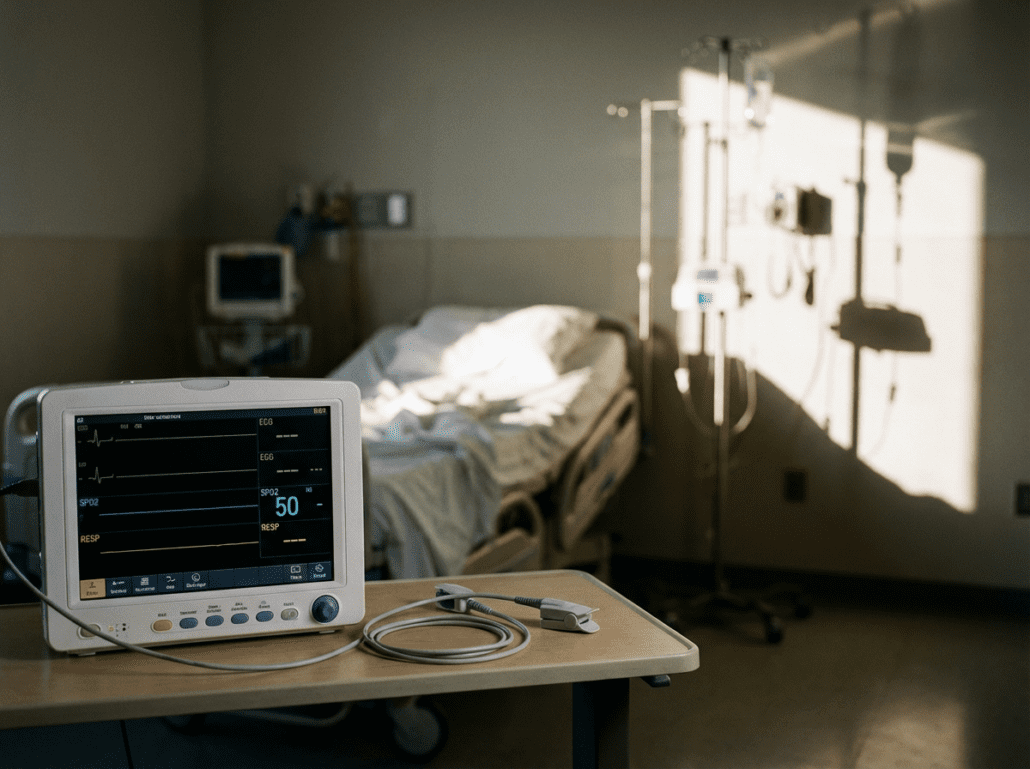
When healthcare providers fail to monitor your condition adequately, they transform survivable medical events into preventable tragedies. Failure to monitor represents a significant breakdown in the fundamental duty of care you deserve. During high-stress periods, such as overnight shifts, in emergency departments, lapses in vigilance can prove fatal. Medical records frequently reveal that warning signs existed hours before wrongful death occurred, yet nobody responded.
The devastating reality of monitoring failures:
- Your abnormal essential signs go unnoticed while staff attend to other tasks
- Significant deterioration happens during those critical hours when intervention could’ve saved you
- Hospital systems exist to detect changes, but human inattention renders them useless
- Your family uncovers later that warning signs were documented but ignored
- Delayed escalation transforms your survivable condition into an irreversible tragedy
You trusted them with your life.
Healthcare-Associated Infections and Infection Control Failures
Despite rigorous protocols designed to prevent them, healthcare-associated infections claim thousands of lives each year through failures that shouldn’t occur in modern medical facilities. When your healthcare provider neglects proper hand hygiene, equipment sterilization, or environmental disinfection, you’re exposed to preventable risks that constitute medical negligence. CAUTIs, surgical site infections, and ventilator-associated pneumonia represent the most common threats you’ll face during hospitalization.
You’re particularly vulnerable if you’re elderly or have a compromised immune system. The CDC confirms that one in 31 hospital patients contracts an HAI on any given day, a statistic that underscores systemic failures in infection control. These aren’t mere accidents; they’re breaches of fundamental safety standards that transform routine procedures into life-threatening situations for patients like you.
Frequently Asked Questions
What Legal Steps Should Families Take After a Suspected Wrongful Death?
If you suspect wrongful death, you’ll need to act promptly. First, secure all medical records and documentation related to your loved one’s care. Consult with a wrongful death attorney who specializes in medical malpractice; they’ll evaluate your case and assist you through the legal process. You’re also wise to preserve evidence, document everything, and avoid discussing the case publicly. Remember, statutes of limitations apply, so don’t delay seeking legal counsel. You’re not alone in this path.
How Long Do Families Have to File a Wrongful Death Lawsuit?
You’ll typically have between one and three years to file a wrongful death lawsuit, depending on your state’s statute of limitations. This deadline starts from the date of death or when you identify the medical error that caused it. Don’t wait; these timeframes aren’t negotiable, and missing them means losing your right to seek justice. We recognize you’re grieving, but consulting an experienced wrongful death attorney immediately protects your family’s legal options and guarantees accountability.
What Compensation Can Families Receive in Medical Malpractice Wrongful Death Cases?
In medical malpractice wrongful death cases, you can pursue compensation for medical expenses, funeral costs, lost income your loved one would have provided, and loss of companionship. You’re also entitled to seek damages for the pain and suffering your family member endured before passing. Some states allow punitive damages when medical negligence was particularly egregious. Each case is unique, so you’ll want to work with an experienced attorney who understands your family’s specific circumstances and losses.
How Do You Prove Negligence in a Medical Wrongful Death Claim?

You’ll need to prove four critical elements: the healthcare provider owed your loved one a duty of care, they breached that standard, their actions directly caused the death, and you’ve suffered measurable damages. It’s like assembling puzzle pieces; medical records, expert testimony, and documentation must align to demonstrate negligence. You’re not alone in this process; experienced attorneys understand the emotional weight you’re carrying and can help build a compelling case that honors your family’s loss.
Are There Differences Between Wrongful Death and Medical Malpractice Claims?
Yes, there are crucial differences you should understand. Medical malpractice claims address injuries caused by substandard care, while wrongful death claims specifically involve fatal outcomes. You can file a malpractice claim yourself if you’re injured, but wrongful death claims must be brought by your deceased loved one’s estate or family members. The damages also differ; wrongful death includes loss of companionship and funeral expenses, whereas malpractice focuses on medical bills and pain suffered before death.
Conclusion
You’ve entrusted healthcare providers with your life, a sacred covenant as old as Hippocrates himself. Yet when that trust breaks down through preventable errors, the consequences can be irreversible. If you’ve lost a loved one to medical negligence, you’re not powerless; resources like Calandro Law exist to help navigate claims from medical error wrongful death in Florida. These errors don’t happen in a vacuum; they’re often systemic failures demanding accountability. Don’t let their story end without seeking answers.