Key Takeaways
- Falls account for 54.8% of assisted living incidents, with average claim costs reaching $239,074 and fatality rates of 59.4%.
- Request regular mobility assessments and medication reviews upon admission, quarterly, and immediately after any fall or near miss.
- Advocate for environmental modifications, including grab bars, raised toilet seats, and improved lighting in hallways and bathrooms.
- Encourage participation in balance and strength programs like tai chi, which can reduce fall incidence by 30-40% among older adults.
- After a fall, obtain incident reports, request immediate medical evaluations, and participate in care plan reviews to update prevention strategies.
Understanding Fall Risks in Assisted Living Settings
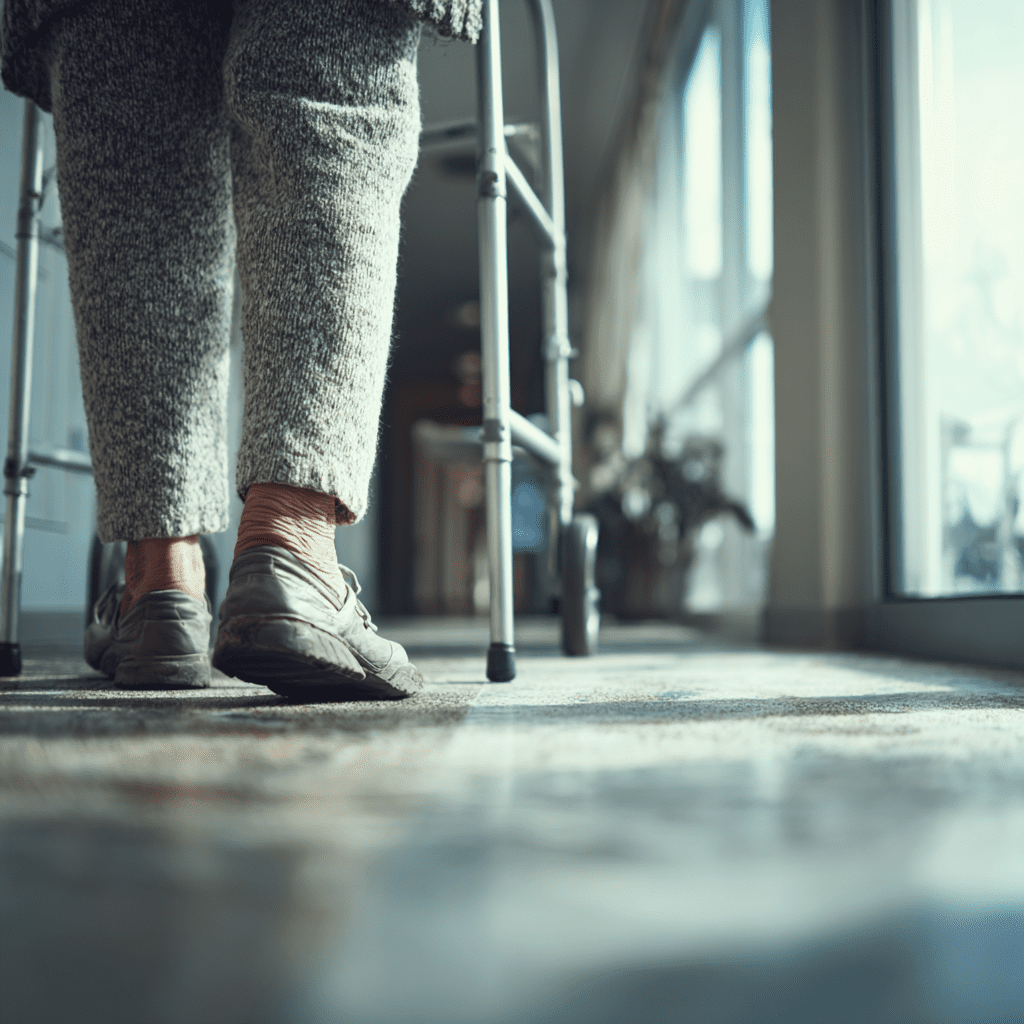
When a loved one moves into an assisted living facility, understanding fall risks becomes critical for their safety and well-being. Fall statistics reveal a concerning reality: fall-related claims represent 54.8% of all incidents in these settings, with outcomes including fractures in 30.7% of cases and fatalities reaching 59.4%.
You’ll want to recognize the risk factors affecting your family member. Fall incidence rates increased 1.5% annually between 2016 and 2019, indicating this growing concern directly impacts your loved one’s community. The average claim cost of $239,074 reflects the severity of these incidents.
Communicating Effectively With Facility Staff About Safety
Everyone involved in your loved one’s care plays an essential role in preventing falls, which account for 54.8% of all claims in assisted living settings. Your partnership with staff strengthens fall prevention efforts considerably.
Effective communication strategies include:
- Requesting updates on staff training regarding falls management protocols
- Asking how risk assessment tools like the Morse scale evaluate your loved one’s condition
- Discussing the environment-of-care rounds and how staff address identified hazards
You should establish clear communication channels for reporting changes in your loved one’s health or mobility. Regular meetings with caregivers guarantee timely reassessments and adjustments to prevention measures. Don’t hesitate to ask about ongoing education initiatives, as consistent staff training directly impacts safety outcomes for residents you care about.
Evaluating Your Loved One’s Mobility and Health Changes
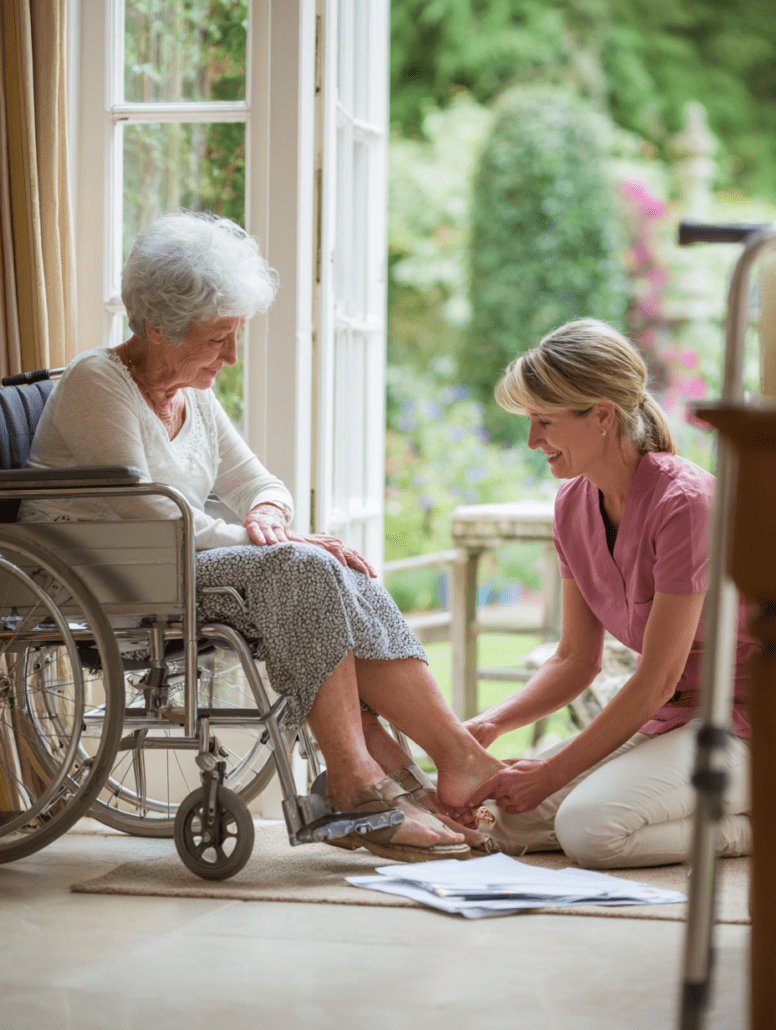
Because mobility and health status can shift rapidly in assisted living settings, you’ll want to guarantee your loved one receives regular assessments, both upon admission and at least quarterly thereafter. These mobility assessments help identify changes in gait, balance, and strength that could increase fall risk.
Health evaluations should include thorough medication reviews, since certain drug combinations can cause dizziness or drowsiness. After any fall or near miss, insist on immediate re-evaluation for risk identification and care plan adjustments.
You’re part of your loved one’s care team. Request that staff share fall risk information with you through clear communication channels, and visual aids like whiteboards in common areas can keep everyone informed about residents requiring extra attention. Your active involvement in monitoring these changes strengthens the safety network surrounding your family member.
Advocating for Environmental Modifications and Assistive Devices
Your loved one’s physical environment plays a critical role in fall prevention, and you’ll want to advocate for specific modifications that address known hazards. Request regular safety assessments to guarantee that staff conduct thorough hazard identification throughout your family member’s living space.
Evidence shows standardized assistive devices considerably reduce fall risks. Advocate for:
- Grab bars installed near toilets and showers
- Raised toilet seats for safer transfers
- Improved lighting in hallways and bathrooms
You should also confirm that staff receive proper device training to maintain and employ these tools effectively. With 54.8% of facility claims being fall-related, these modifications represent a worthwhile investment in your loved one’s well-being. Don’t hesitate to ask facility administrators about their environmental modification protocols; your involvement helps create a safer community for everyone.
Supporting Participation in Balance and Strength Programs
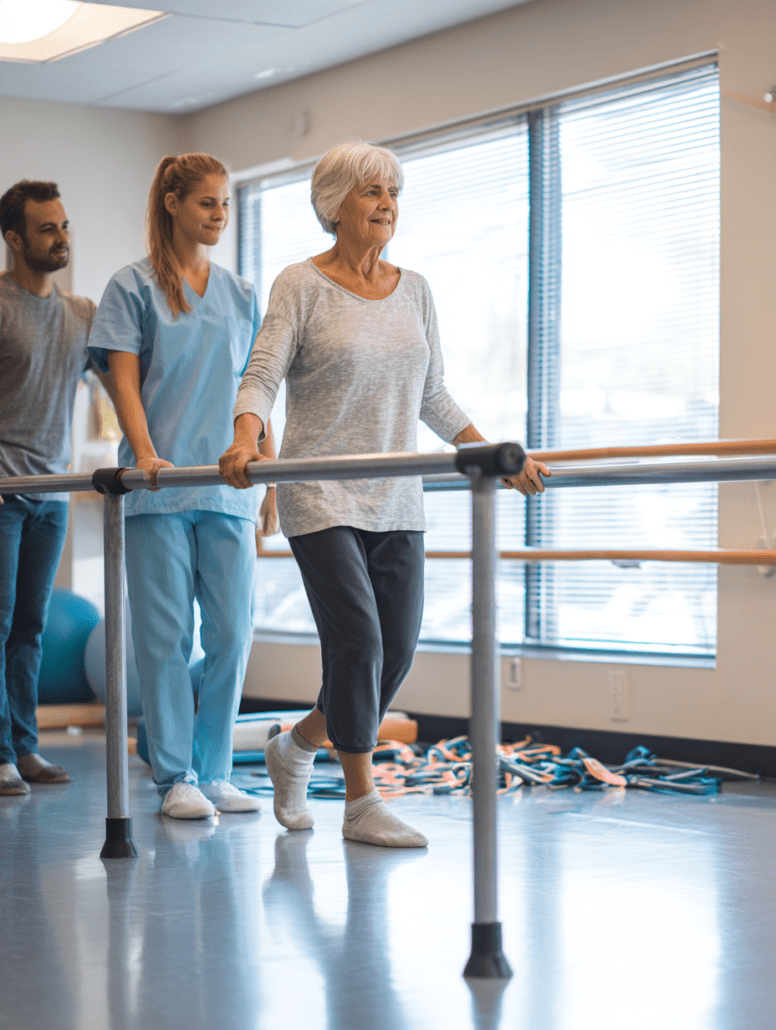
While environmental modifications create safer spaces, supporting your loved one’s participation in balance and strength programs prevents Florida assisted living slip and fall at the source
Research demonstrates that consistent participation in structured exercise programs can reduce fall incidence by 30-40% among older adults. By encouraging exercise through programs like tai chi or chair exercises, you’re helping your family member build strength, flexibility, and body awareness vital for stability.
Promoting group activities offers additional benefits outside of physical improvement. Your loved one gains connection with peers who share similar goals, a nurturing community, and motivation. Facilities incorporating these programs into daily routines report better resident mobility and independence.
Don’t underestimate the influence of celebrating achievements, whether it’s improved balance or increased confidence. Recognizing progress reduces fear of falling and reinforces continued participation.
Taking Action When Falls Occur
Even with the best prevention efforts, falls can still happen, and knowing how to respond quickly makes a significant difference in outcomes. Since falls account for 54.8% of all claims in assisted living facilities, your family’s involvement in understanding and responding to protocols is critical. Post-Florida assisted living slip and fall, ensure Morse scale assessment, medical evaluation, documentation, and updated strategies.
When your loved one experiences a fall, make certain the facility conducts a thorough assessment using validated tools like the Morse scale to evaluate recurrence risk. You should advocate for:
- Immediate medical evaluation to identify injuries and underlying causes
- Detailed documentation that supports reactive analysis
- Updated fall prevention strategies based on assessment findings
Don’t hesitate to request copies of incident reports and participate in care plan reviews. With average fall-related claims reaching $239,074, proactive engagement protects both your loved one’s well-being and guarantees accountability in their care.
Frequently Asked Questions
How Much Do Assisted Living Facilities Typically Charge for Fall Prevention Programs?
You’ll find costs vary widely based on facility pricing structures, typically ranging from included services to $200+ monthly add-ons. Ask about fall prevention strategies and request program effectiveness evaluations to guarantee you’re getting evidence-based care for your loved one.
Can Families Install Personal Security Cameras in Their Loved One’s Room?
You’ll need to check facility policies before installing cameras, as telegraph-era privacy concerns have evolved considerably. Review installation instructions carefully, address camera privacy concerns with staff, and guarantee compliance to protect your loved one’s dignity and community belonging.
What Legal Rights Do Families Have After a Fall Causes Serious Injury?
You have legal recourse options, including negligence claims against the facility. Liability considerations depend on whether the staff followed proper protocols. You should document everything, consult an elder law attorney, and review your loved one’s care agreement thoroughly.
How Often Should Families Visit to Effectively Monitor Their Loved One’s Safety?
You should visit weekly when possible. For example, Sarah’s biweekly visits helped her notice her mother’s unsteady gait. Your visit frequency enables ongoing safety assessments while providing emotional support that strengthens your loved one’s wellbeing and connection.
Are There Insurance Options That Specifically Cover Fall-Related Injuries in Facilities?
You’ll find that some insurance policies offer coverage for fall-related injuries, though coverage limits vary considerably. Review your loved one’s policy carefully and understand the claims process beforehand, so you’re prepared if an incident occurs.
Conclusion
You’re the cornerstone of your loved one’s fall prevention team. By staying vigilant about mobility changes, communicating concerns promptly, and advocating for evidence-based safety measures, you’ll help create a protective shield around them. Don’t hesitate to request incident reports, participate in care planning meetings, and push for environmental modifications when needed. Your active involvement directly influences outcomes and guarantees your family member receives the safest possible care.