

Key Takeaways
- Medical neglect includes failing to administer medications, delayed emergency responses, and ignoring critical symptoms like shortness of breath or confusion.
- Warning signs include unexplained weight loss, dehydration, recurring infections, untreated bedsores, and emotional changes like withdrawal or depression.
- Essential evidence includes medical records documenting missed treatments, photographs of injuries, witness statements, and facility staffing records.
- Report suspected neglect to facility administration, file complaints with the state health department, and consult an elder law attorney.
- Attorneys help gather evidence, establish breach of duty, review past facility complaints, and pursue compensation for damages and suffering.
What Constitutes Failure to Provide Medical Care in Nursing Homes?
When nursing home staff fail to meet residents’ basic healthcare needs, the consequences can be devastating. You deserve to understand what constitutes nursing home negligence in medical care settings.
Failure to provide basic medical attention includes neglecting to administer prescribed medications, which can trigger serious health complications for your loved one. It also encompasses delayed responses to medical emergencies, resulting in preventable hospitalizations and worsened conditions, classic examples of nursing home medical neglect in Florida.
You should know that ignoring critical symptoms, like shortness of breath or sudden confusion, represents a clear breach of duty. Nursing homes are legally obligated to address residents’ medical needs promptly.
The impact of this neglect extends far beyond physical harm. Your family member may experience psychological trauma that greatly diminishes their quality of life and overall well‑being. In many nursing home medical neglect cases in Florida, lawyers such as those at Calandro Law review medical charts, care plans, and incident reports to show exactly where that duty of care was broken.
Warning Signs That Your Loved One Is Not Receiving Proper Medical Attention

How can you tell if your loved one isn’t receiving the medical attention they need? Recognizing the warning signs of nursing home neglect early can protect someone you care about from serious harm.
Watch for these critical indicators that staff may fail to provide necessary medical care:
- Unexplained weight loss or dehydration: dry skin, confusion, and irritability signal dangerous neglect of basic nutritional and hydration needs
- Recurring infections or untreated wounds: these suggest unsanitary conditions and delayed medical responses
- Bedsores or pressure ulcers: these painful injuries develop when staff neglect mobility assistance and routine health monitoring
You should also note emotional changes like withdrawal or depression, which often indicate inadequate mental health support. Trust your instincts when something feels wrong.
Evidence You Need to Prove Medical Neglect in a Nursing Home
Photograph any visible injuries, such as bedsores or infections, that indicate untreated conditions. Collect witness statements from family members, staff, or other residents who’ve observed neglect firsthand. Request facility records revealing staffing levels and training documentation; these often expose systemic problems contributing to inadequate care.
You should also obtain a medical expert’s opinion establishing that the facility failed to meet accepted standards of care. This expert testimony connects the neglect directly to your loved one’s health deterioration, strengthening your legal claim considerably. Firms like Calandro Law coordinate with medical experts and investigators to ensure no critical piece of evidence is overlooked
Steps to Take When You Suspect Medical Care Failures
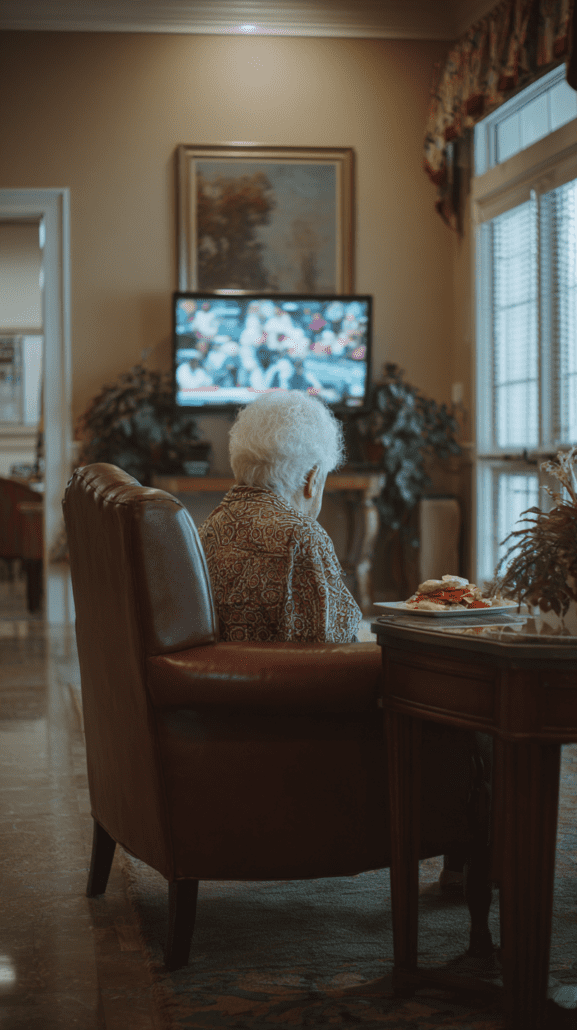
Suspecting medical care failures requires immediate, strategic action to protect your loved one and preserve critical evidence. You’ll need to document every incident carefully, noting dates, times, and specific descriptions of the nursing home neglect you’ve observed.
Request your loved one’s complete medical records to identify missed medications, untreated injuries, or delayed responses to changes in health. Report nursing home neglect directly to the facility administration and demand a written response detailing their corrective measures.
- Your loved one deserves dignity and proper care. Don’t let neglect steal that from them
- You’re not alone in this fight; countless families have successfully held facilities accountable
- Your documentation today could prevent another family from experiencing this pain
Contact your state health department to file a formal complaint. Then, consult an experienced elder law attorney who understands these complex cases.
How a Nursing Home Abuse Attorney Can Help You Build Your Case
When you’re facing the complex challenge of proving medical neglect in a nursing home, an experienced attorney becomes your strongest advocate for building an airtight case. A skilled nursing home neglect attorney like Andrew Calandro gathers critical evidence, medical records, eyewitness accounts, and documentation of facility violations to establish a direct link between inadequate care and your loved one’s declining health.
Frequently Asked Questions
How Long Do Nursing Home Neglect Lawsuits Typically Take to Resolve?
You’ll typically wait one to three years for resolution, depending on case complexity and whether you settle or go to trial. Your attorney can help you navigate timelines and set realistic expectations together.
What Compensation Can Families Receive From Medical Neglect Cases?
Like pieces of a puzzle coming together, you can recover compensation for medical expenses, pain and suffering, emotional distress, and sometimes punitive damages. We’ll fight to guarantee your family receives the justice you deserve.
Are Nursing Homes Required to Have Doctors On-Site at All Times?
No, nursing homes aren’t required to have doctors on-site 24/7. However, they must guarantee you have access to physician services and adequate medical supervision. If delayed care harmed your loved one, you may have grounds for a neglect claim.
Can I File a Complaint Anonymously Against a Nursing Home for Neglect?
“Better safe than sorry”, yes, you can file anonymous complaints with your state’s long-term care ombudsman or health department. They’ll investigate your concerns while protecting your identity, ensuring you’re advocating for vulnerable residents without personal exposure.
Conclusion
When nursing home neglect leaves your family member’s health hanging by a thread, you can’t afford to wait. You’ve got the knowledge to identify warning signs and gather critical evidence; now it’s time to act. Don’t let facilities escape accountability for their failures. Speaking with an experienced nursing home abuse or neglect attorney, such as the personal injury team at Calandro Law, can help you evaluate your case, protect your loved one, and pursue the justice they deserve.