
Key Takeaways
- Comparative negligence allows crash victims to recover damages even when partially at fault, with compensation reduced by their fault percentage.
- Investigators assign fault percentages by analyzing traffic reports, eyewitness statements, accident reconstruction data, and driver behaviors.
- Truck “black box” data and maintenance records serve as critical evidence for establishing liability against trucking companies.
- Insurance companies often inflate fault percentages to minimize payouts, making skilled legal representation essential for accurate assessments.
- Gathering evidence immediately, such as photographs, witness statements, and police reports, protects your right to fair compensation in shared fault cases.
Understanding Comparative Negligence Laws in Truck Accident Cases

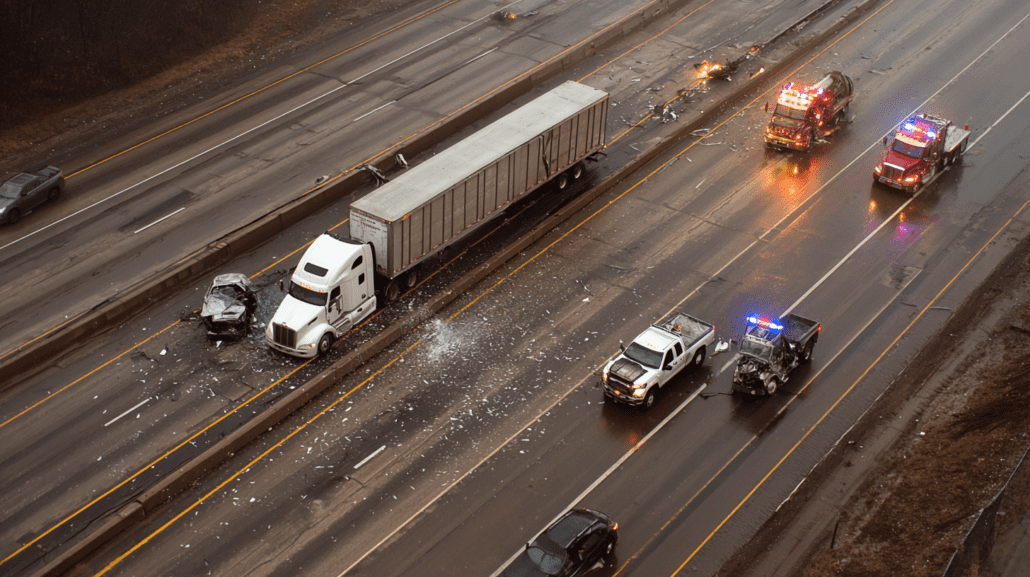
When you’re involved in a multi-vehicle truck crash, understanding comparative negligence in Florida truck accidents can make the difference between recovering full compensation and walking away with nothing. These laws allow you to recover damages even if you share some responsibility for the accident, though your compensation decreases based on your fault percentage under Florida’s modified comparative negligence system.
Different states apply varying standards. In Mississippi’s pure comparative negligence system, you can recover damages even if you’re 99% at fault. Kentucky follows similar rules; if you’re found 30% responsible, your award drops by that amount. By contrast, comparative negligence in Florida truck accidents now uses a 51% bar rule, if you’re more than 50% at fault, you may be barred from any recovery, which makes careful fault analysis especially important.
Insurance companies will work hard to maximize your fault percentages, reducing what they owe you. That’s why accurate documentation of evidence matters. You deserve fair treatment, and knowing how comparative negligence in Florida truck accidents works helps protect your right to compensation. Many injured drivers and passengers rely on experienced personal injury firms such as Calandro Law to interpret these rules and push back against inflated fault claims.
How Fault Is Determined When Multiple Vehicles Are Involved
Because multi-vehicle truck crashes involve several drivers with potentially conflicting accounts, investigators must piece together each party’s actions to assign fault percentages accurately. You’ll find that evidence like traffic reports, eyewitness statements, and accident reconstruction data becomes vital in establishing who breached their duty of care.
When determining fault, courts and insurers examine specific behaviors, your speed, lane changes, following distance, and potential distractions, all of which factor into the analysis. Under comparative negligence in Florida truck accidents, each driver’s contribution to the crash directly affects recoverable damages, and even a small shift in fault percentage can significantly impact your final settlement.
You don’t have to navigate this process alone. Insurance companies often attempt to shift blame onto you, inflating your fault percentage to minimize their payouts. That’s why having skilled legal representation guarantees your side of the story gets heard, and your compensation remains protected. A truck-accident-focused firm like Calandro Law can coordinate accident reconstruction, obtain critical records, and challenge fault assessments on your behalf.
The Impact of Shared Fault on Your Compensation Recovery
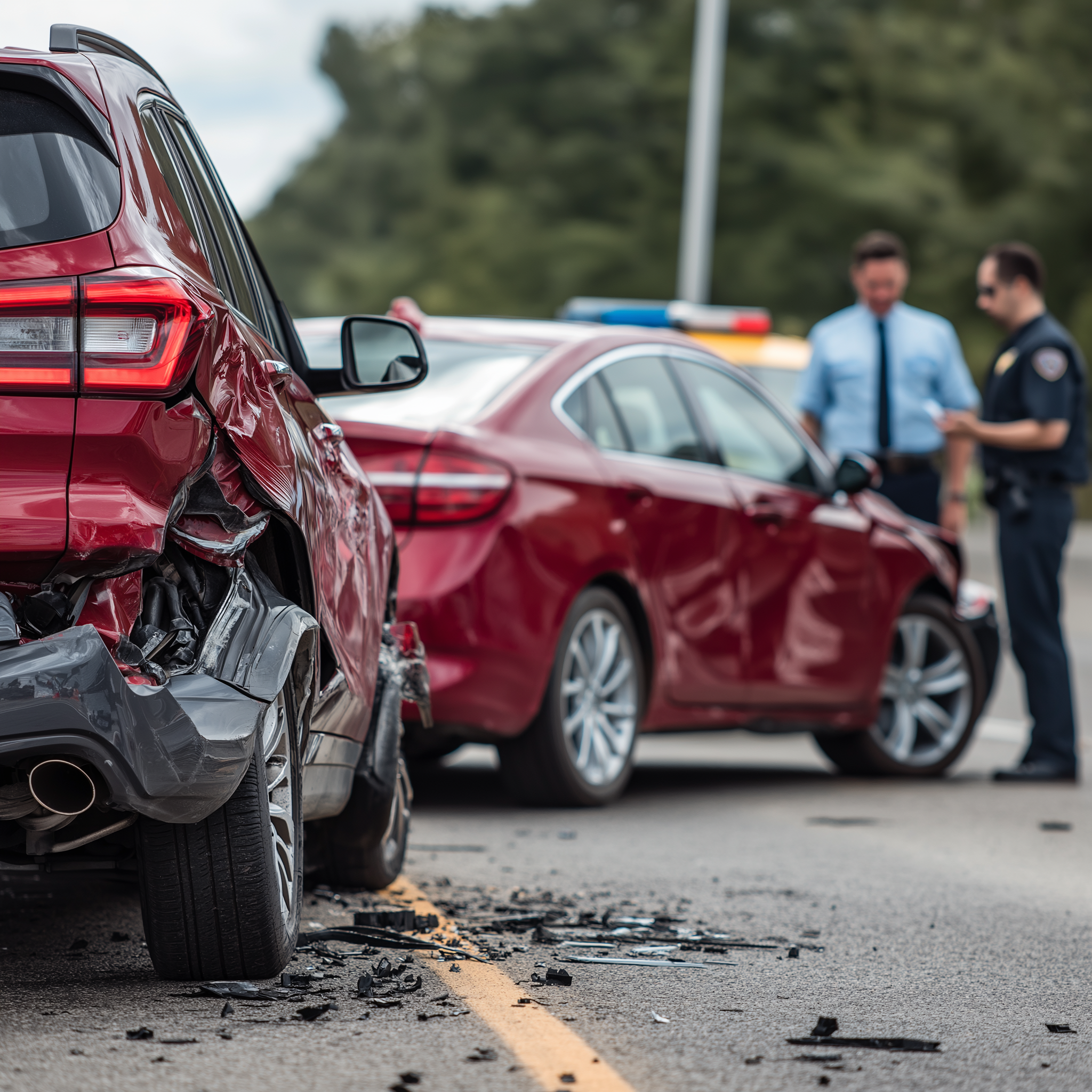
Shared fault directly impacts your bottom line in multi-vehicle truck crash cases. Under systems similar to comparative negligence in Florida truck accidents, your compensation decreases proportionally to your assigned responsibility. If you’re found 30% at fault in an accident with $150,000 in damages, you’d receive only $105,000.
Insurance companies know this calculation matters. They’ll often try assigning you a higher fault percentage to minimize their payouts. You shouldn’t face these tactics alone, especially when comparative negligence in Florida truck accidents can completely bar recovery if your fault exceeds a certain threshold.
When multiple vehicles are involved, determining each party’s responsibility becomes complicated. Evidence gathering and strategic negotiation become crucial to protecting your recovery. An experienced attorney can challenge unfair fault assignments and advocate for accurate assessments. Firms such as Calandro Law routinely analyze black box data, cell phone records, and maintenance histories to push fault back onto negligent trucking companies and other drivers.
You deserve fair compensation for your injuries. Don’t let shared fault determinations reduce what you’re rightfully owed.
Evidence Needed to Establish Liability in Multi-Vehicle Truck Crashes
Building a strong liability case against negligent trucking companies and drivers starts with gathering the right evidence. You’ll need police reports that document initial findings, witness statements, and critical details from the scene. Accident photographs showing vehicle positions, road conditions, and visible damage help establish what really happened.
Your case becomes stronger when you secure truck “black box” data and Electronic Logging Device records. These reveal the truck’s speed, braking patterns, and driver behavior before the crash. Eyewitness accounts can corroborate your version of events and clarify the sequence that led to the collision, which is central to any comparative negligence in Florida truck accidents analysis.
Don’t overlook maintenance records and vehicle history; these documents may expose negligence by the truck owner or company. With proper evidence, you’re positioned to prove liability and fight for the compensation you deserve. A practice like Calandro Law, which regularly handles serious truck and motor vehicle collision cases, typically focuses heavily on securing and preserving this type of evidence before it disappears.
Protecting Your Rights When Facing Partial Fault Allegations

When insurance companies allege you’re partially at fault for a multi-vehicle truck crash, protecting your rights becomes your top priority. Under comparative negligence laws, even a small partial fault percentage can dramatically reduce your compensation.
You’ll want to gather critical evidence immediately, such as photographs, witness statements, and police reports, all of which strengthen your position against unfair fault allocations. Document your injuries and medical treatment right away to establish a clear link between the crash and your damages.
Never provide recorded statements or admit fault to insurance adjusters without legal counsel. These statements can be weaponized against you to inflate your assigned fault percentage.
You don’t have to face these challenges alone. An experienced attorney can effectively challenge partial fault allegations and protect your recovery rights.
Frequently Asked Questions
Can I Still File a Claim if the Truck Driver Died in the Crash?
Yes, you can still file a claim even if the truck driver died. You’d pursue compensation from the trucking company, their insurance, or the driver’s estate. You’re not alone; we’ll assist you through this.
How Long Do I Have to File a Lawsuit After a Multi-Vehicle Truck Accident?
You typically have one year in Tennessee to file a truck accident lawsuit, but acting quickly protects your rights. While time feels abundant now, evidence fades fast. Our team’s here to assist you through every step.
Will My Insurance Rates Increase if I’m Found Partially at Fault?
Yes, your insurance rates may increase if you’re found partially at fault. However, you’re not alone in this; we’ll work to minimize your fault percentage, protecting both your compensation and your future premiums.
Can Passengers in My Vehicle File Separate Claims Against Multiple At-Fault Parties?
Yes, your passengers can file separate claims against all at-fault parties, much like sending telegrams to each responsible driver. You’ll want skilled representation to navigate these liability complexities together and maximize everyone’s rightful recovery.
Does Comparative Negligence Apply Differently for Commercial Truck Company Employers?
Yes, commercial truck employers face additional liability through vicarious responsibility for their drivers’ actions. You can pursue claims against both the driver and their employer, potentially increasing your recovery options and strengthening your case considerably.
Conclusion
When you’re facing partial fault allegations, every percentage point matters, and insurance companies know it. They’re already building their case against you using comparative negligence in Florida truck accidents to argue you bear a larger share of blame. Without strong legal representation, you could watch your rightful compensation slip away while others shift responsibility onto your shoulders.
You don’t have to navigate that alone. Speaking with a truck accident attorney, such as the team at Calandro Law, which focuses on serious motor vehicle and truck injury cases, can help ensure critical evidence is preserved, your fault percentage is fair, and your opportunity for a full and fair recovery is protected.