Key Takeaways
- Internal safety policies on rest periods, driving limits, and vehicle maintenance establish standards that determine negligence when violated.
- Inadequate driver training or missing documentation directly undermines a trucking company’s defense and strengthens accident claims.
- Hours of service violations proven through electronic logging devices link corporate negligence to fatigued driving accidents.
- Proper vehicle maintenance records serve as powerful evidence, while FMCSA violations indicate negligence and support compensation claims.
- Insurance companies exploit policy violations to shift blame onto victims, making documentation of company failures essential for protection.
Understanding Trucking Company Policies and Safety Standards
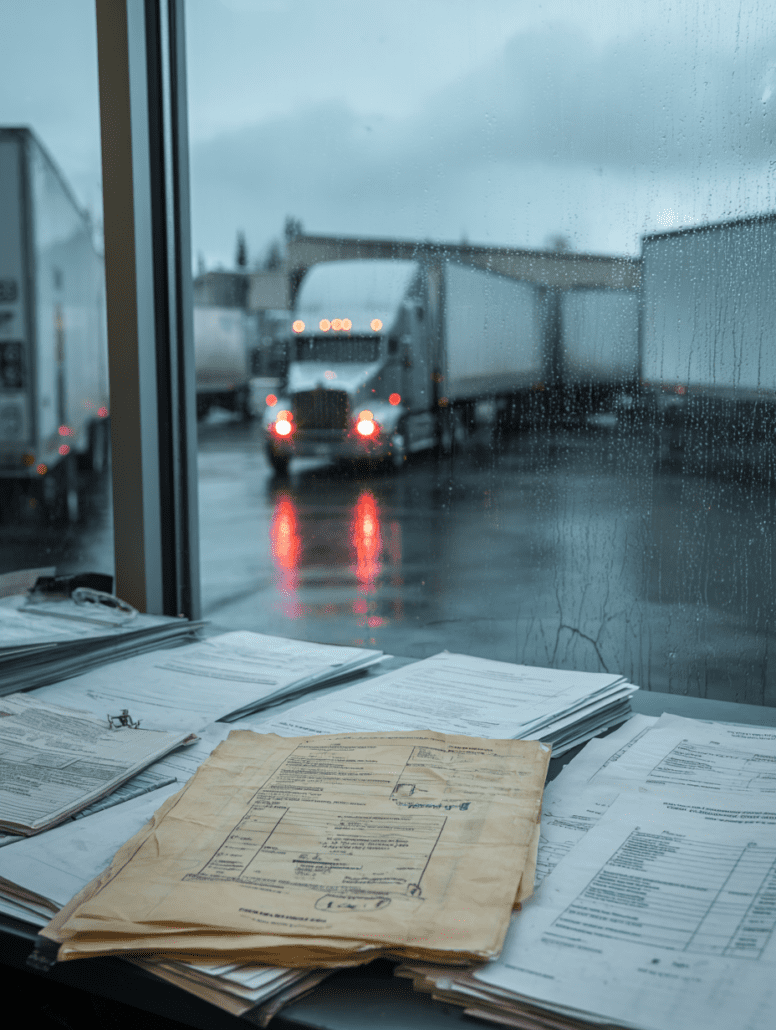
When you’re involved in an accident with a commercial truck, understanding the trucking company’s internal policies becomes essential to building a strong claim. These trucking company policies establish the framework for safe operations, including mandatory rest periods, driving hour limits, and designated routes that minimize hazardous conditions.
You’ll find that reputable carriers implement extensive driver training programs covering defensive driving and hazardous materials handling. They also enforce strict vehicle maintenance and inspection routines to prevent mechanical failures.
These safety standards directly affect your accident claims. When companies fail to uphold their own policies, whether through inadequate training or poor maintenance, they expose themselves to liability. By examining these internal regulations, a skilled Florida truck accident lawyer can identify negligence and strengthen your position when seeking fair compensation for your injuries
How Driver Training Requirements Affect Liability
Because trucking companies must implement thorough driver training programs that meet Federal Motor Carrier Safety Administration standards, their compliance, or lack thereof, directly determines liability exposure in accident claims. When you’re pursuing a claim, understanding how trucking company policies address driver training becomes crucial to establishing fault.
Your case strengthens considerably when evidence reveals training deficiencies. Consider these critical factors:
- Inadequate defensive driving instruction creates direct negligence claims against carriers
- Missing documentation of training completion undermines a company’s safety defense
- Failure to conduct regular driver performance evaluations signals systemic negligence
- Non-compliance with FMCSA training standards substantially increases liability
Vehicle Maintenance Policies and Their Role in Accident Claims
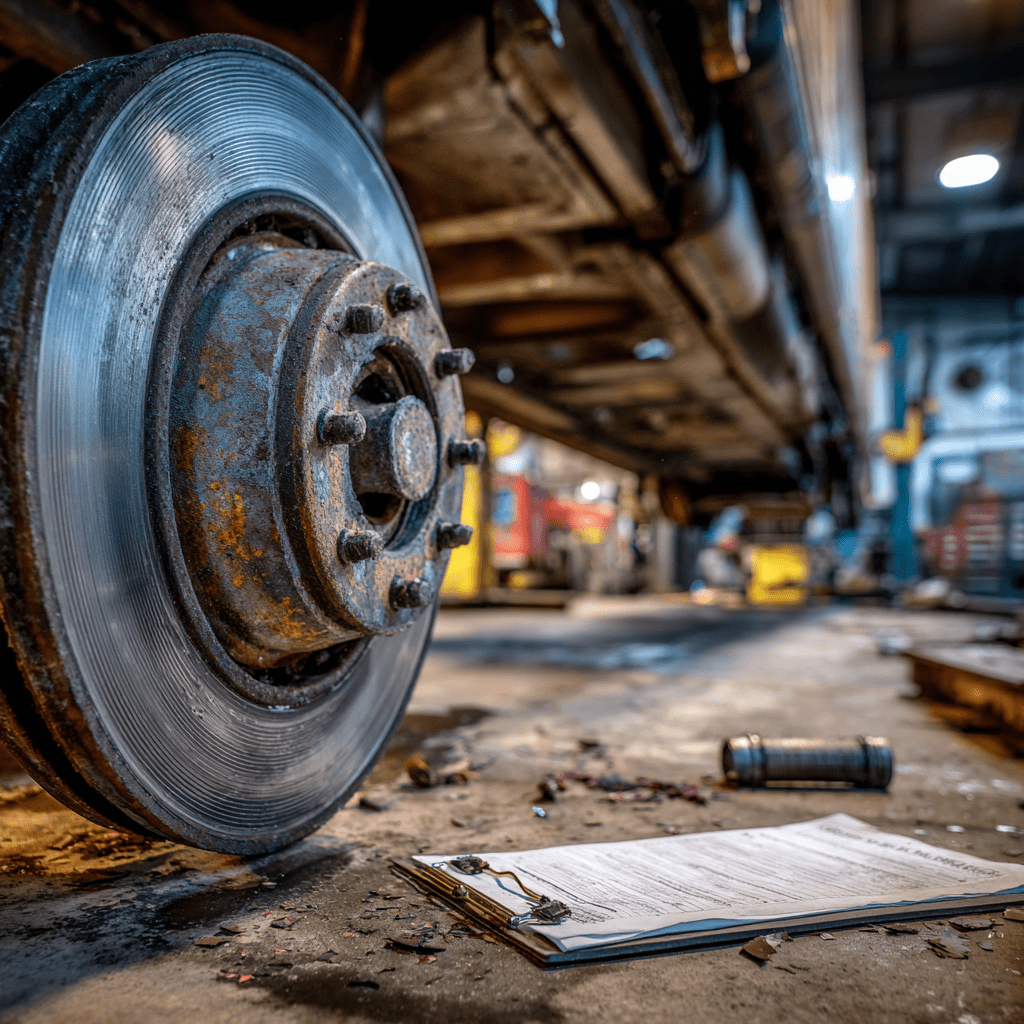
Although driver training establishes the human element of liability, vehicle maintenance policies form an equally vital foundation for accident claims against trucking companies. When you’re pursuing compensation after a truck accident, understanding how these policies affect your case becomes crucial.
Federal regulations require trucking companies to maintain rigorous inspection and maintenance schedules. You’ll find that documented maintenance records serve as powerful evidence in your claim. If the company followed proper vehicle maintenance protocols, it may argue reduced liability. However, when trucking company policies permit inadequate upkeep, you’ve got strong grounds for establishing negligence.
The FMCSA’s specific maintenance requirements work in your favor during accident claims. Any violations you discover demonstrate the company’s disregard for safety standards, strengthening your position when seeking fair compensation.
The Connection Between Hours of Service Violations and Accidents
Federal hours of service regulations exist for one critical reason: fatigued truck drivers cause accidents. When you’re injured by a drowsy trucker, understanding these violations strengthens your claim considerably. FMCSA rules limit drivers to 11 hours behind the wheel after 10 consecutive hours off duty, and trucking companies must enforce compliance.
Hours of service violations establish clear negligence patterns you can utilize:
- Electronic logging devices provide documented proof of regulation breaches
- Fatigue contributes to approximately 13% of commercial truck crashes
- Trucking companies face direct liability for failing to monitor driver hours
- Violation records demonstrate systematic disregard for safety protocols
When drivers exceed legal limits, they’re not just breaking rules; they’re endangering you. These documented violations become powerful evidence, connecting corporate negligence directly to your injuries and supporting your right to fair compensation.
How Insurance Companies Use Policy Violations Against Victims

When you file a claim after a trucking accident, insurance companies don’t simply evaluate the facts; they actively seek ways to minimize their financial exposure. They’ll scrutinize logbooks, maintenance records, and hours of service documentation to identify any trucking company policy violations they can weaponize against you.
Insurance adjusters exploit these violations strategically. If they uncover a driver who exceeded regulated hours or the company neglected vehicle maintenance, they’ll argue operational negligence caused the accident, shifting blame away from their insured party. They may even suggest you share responsibility for the incident.
Don’t let insurers pressure you into accepting inadequate settlements. They’re counting on your unfamiliarity with trucking regulations to utilize policy violations against your claim. Understanding these tactics empowers you to protect your right to fair compensation.
Steps to Strengthen Your Accident Claim Against a Trucking Company
Building a strong accident claim against a trucking company requires you to gather evidence before it disappears. You’ll want to act quickly since trucking companies often have legal teams working to protect their interests immediately after an accident.
To effectively challenge trucking company policies and counter insurance policies designed to minimize your compensation, focus on these essential steps:
- Request electronic logging device data and driver qualification files within days of the accident
- Document all visible safety violations at the scene, including cargo securement issues
- Obtain maintenance records showing potential vehicle defects or inspection failures
- Identify witnesses who can verify driver behavior or company negligence
You’re not alone in this process; an experienced attorney can help preserve vital evidence and hold negligent companies accountable.
Frequently Asked Questions
Can I Sue Both the Trucking Company and the Driver Separately?
Yes, you can cast a wide net and sue both parties separately. You’ll typically pursue claims against the driver for negligence and the trucking company for vicarious liability or their own policy failures.
How Long Do Trucking Companies Keep Their Internal Policy Records?
Trucking companies must retain policy records for varying periods, typically 3-6 years under federal regulations. You’ll want to act quickly, as these essential documents can disappear. Calandro Law can issue preservation letters to protect this evidence.
What Happens if the Trucking Company Goes Bankrupt During My Claim?
If the trucking company files bankruptcy, you’re not left stranded; like a safety net, their insurance policy typically remains intact. You’ll pursue your claim directly against the insurer, protecting your path to compensation.
Are Independent Contractor Truckers Held to the Same Company Policies?
Independent contractor truckers aren’t always held to the same company policies, but you can still pursue claims against the trucking company if they exercised control over the driver’s operations or equipment maintenance.